We’re onboarding the first Habitats. Bookings open soon. Join the list for a chance to win €250 credit.

The Hoopoe Cabin

Cortico, Portugal

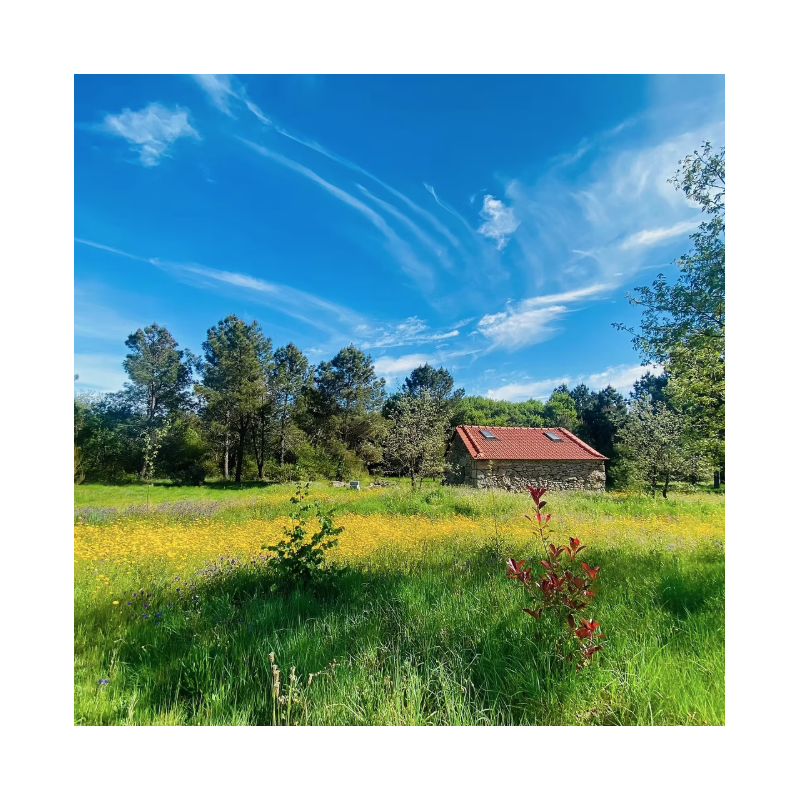
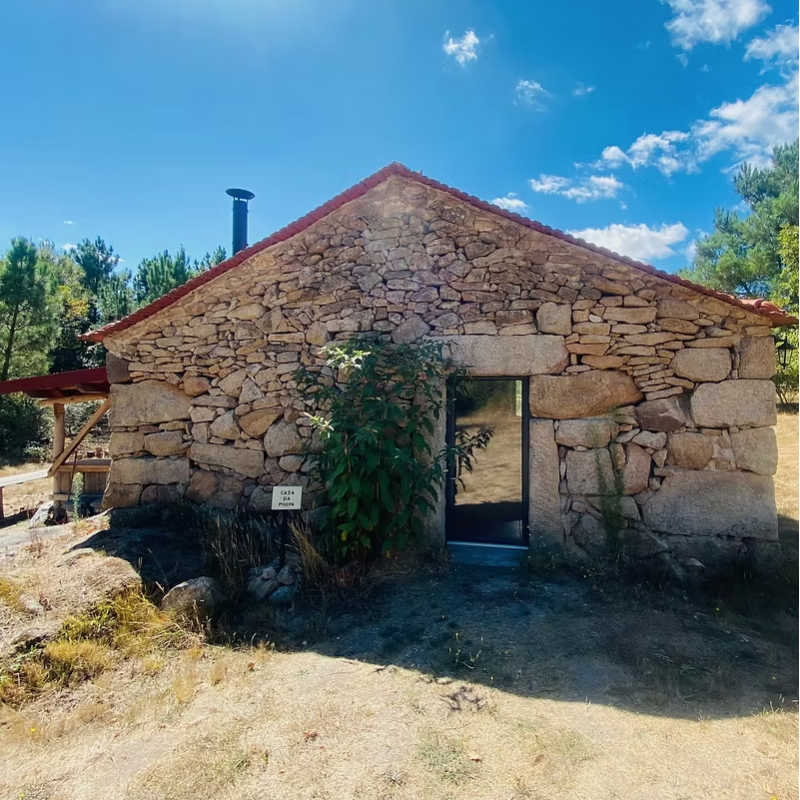
Hoopoe Cottage is a simple, rustic stay on Deborah’s ten-hectare restoration project at the edge of the Serra da Estrela. It is a place for guests who enjoy quiet, basic comfort and want to stay close to a landscape in recovery.

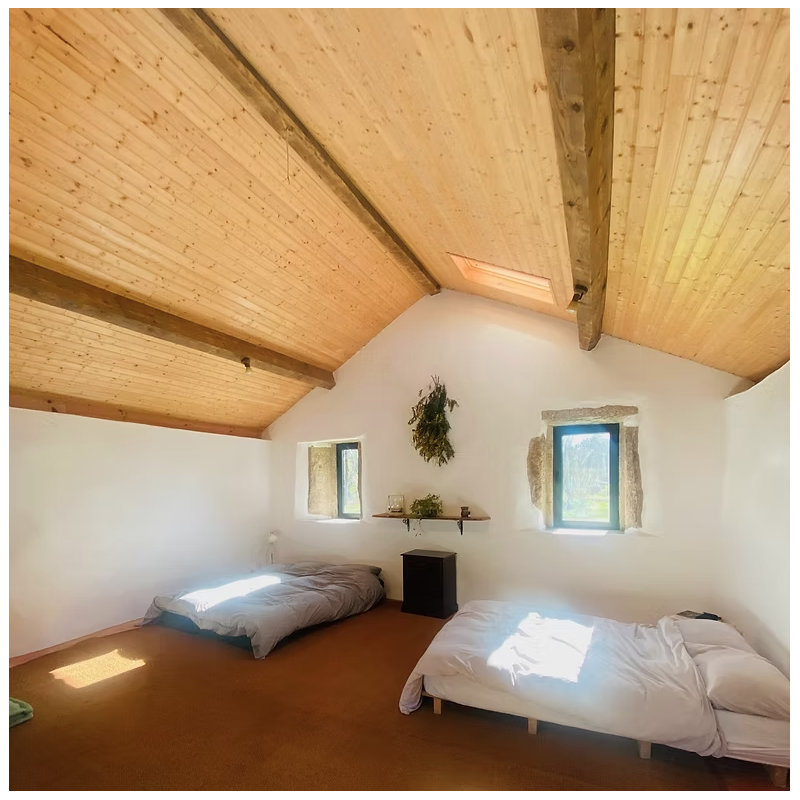
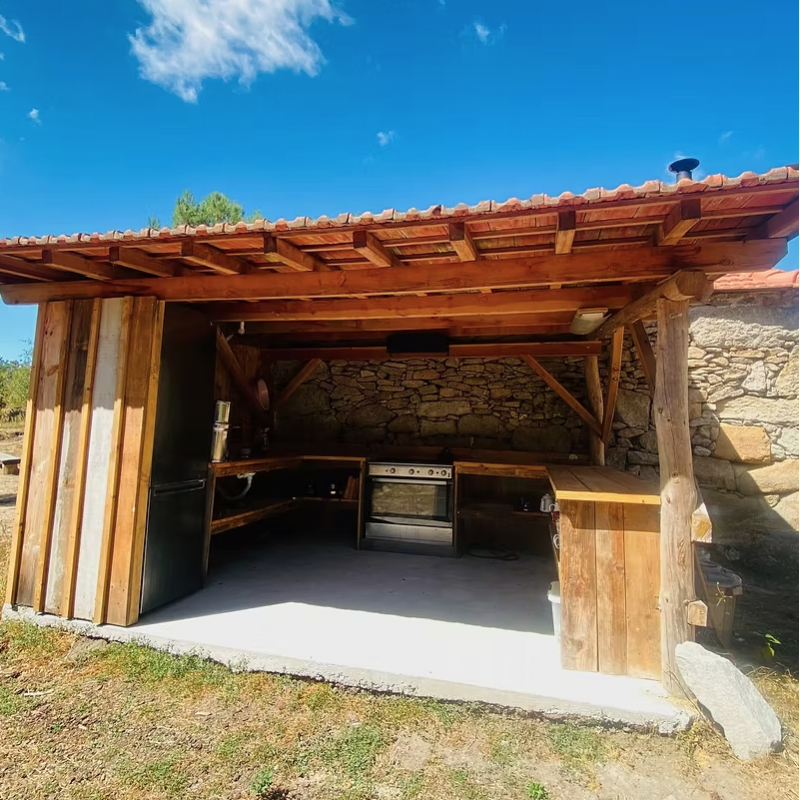
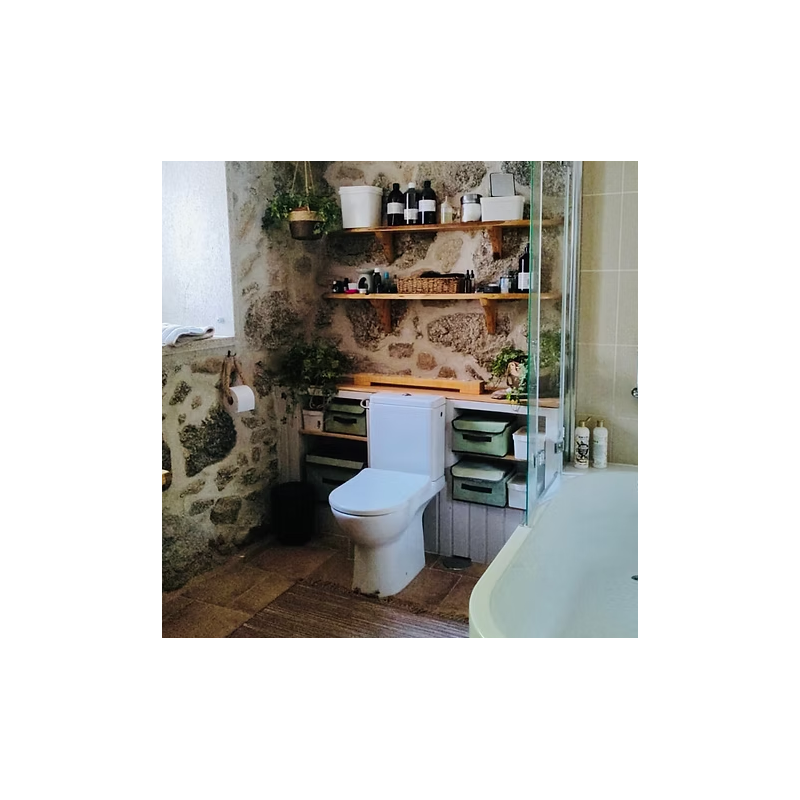
The cottage sleeps 2–4 people and has a wood-burning stove for cooler evenings. Outside, there is a rustic kitchen and a hammock area where you can read, rest, listen to the birds or watch the slow movement of the land around you. The bathroom is shared.

Guests are welcome to walk the land, follow the spring, look for returning trees, visit the dolmen, or simply spend time noticing what is growing, moving and changing. For those who want to go deeper, Deborah also offers constellation sessions and massage alongside the stay.

Local produce such as cheese, olive oil and eggs can be sourced from neighbours, helping connect your visit to the wider rural community around the land.

Max Capacity

2 Adults, 0 Child (Max guests: 2)

Check-in and check-out time

Check-in: 03:00 pm

Check-out: 11:00 am

Comforts
Flush Toilet
Hot Shower
Bed linens provided
On Site Ameneties

Accommodation offers

  • Kitchen
  • Fridge
  • Cookware
  • Tableware

Outdoor living

  • Outside cooking area
  • Hammock
  • Private garden space

Wellness facilities

  • Meditation Space
  • Massage available

Immersive Habitats

  • Off-grid landscape
  • On-site restoration activities
Non Refundable

At the edge of the Serra da Estrela, Portugal’s highest mountain range, you’ll find a Habitat unlike most on this platform: less conventionally output- or transition-centred, yet deeply worthy.

For nine years, Deborah has been clearing ten hectares of pine monoculture, bit by bit, with the aim of helping the land return to its native vegetation. In this part of Portugal, pine and eucalyptus plantations are not only an ecological issue, but a social one too. They leave landscapes more vulnerable to fire, reduce biodiversity, and reinforce cultural habits that are difficult to undo.

The original intention was clear: remove the monoculture and restore the native ecosystem. Deborah watched how local people worked the land, while also exploring trainings in rewilding, permaculture, food forests and water management. She planted trees. Not all survived. In the meantime, the land began planting itself in ways no one had designed.

She still felt she knew almost nothing. And so the land became the teacher.

She watched where water moved after rain. Which plants arrived. Which ones disappeared. Where the bees gathered. Which seedlings returned without being planted.

Oak, chestnut, alder, elder and cherry started appearing across the cleared ground. The introduction of horses shifted the whole system into another gear. Insects, fungi and birds increased. Rodents returned. Hoopoes nested on the land. Small cycles began to connect: one tree drawing in one bird, one bird carrying the seed of another, one animal leaving behind the nutrients for the next. Slowly, diversity began finding its own route back to resilience.

Her role became less about forcing a vision onto the land, and more about guarding the conditions for recovery: clearing what dominates, noticing what emerges, intervening where needed, and letting time do the deeper work.

Perhaps more unexpectedly, new social systems started to emerge around the land too. The local municipality has begun to take an interest. In an otherwise traditional, rural and depopulating area, Deborah is exploring with the local mayor how ecological restoration can be made tangible, playful and accessible for local youth.

One of the ways this is now taking shape is through play: a nature-based golf game where each hole introduces a different living theme, from soil, water and pollinators to food growing, regeneration and more. A small invitation to learn without being lectured. To move through the land and begin noticing.

All of this thinking, acting and perceiving flows from Deborah’s own practice in constellation work. Alongside the land, she offers personal sessions that help individuals and businesses recalibrate perspective, emotion and energy.

Across every domain, she poses the same question: what happens when you stop trying to control a system, and begin paying attention to what it is already trying to become?

Check-in    Check-out
63,00 €

63,00 €

Any additional details you would like to ask or tell your host?

Massage (40 min) 50,00 €

Constellation Session 1hr 55,00 €