
Searched results for

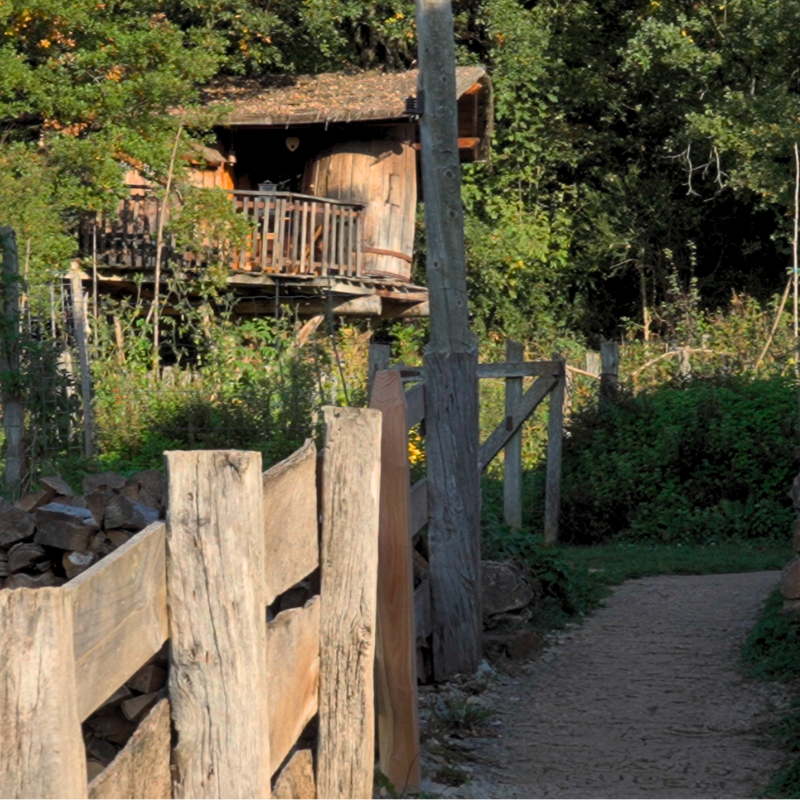
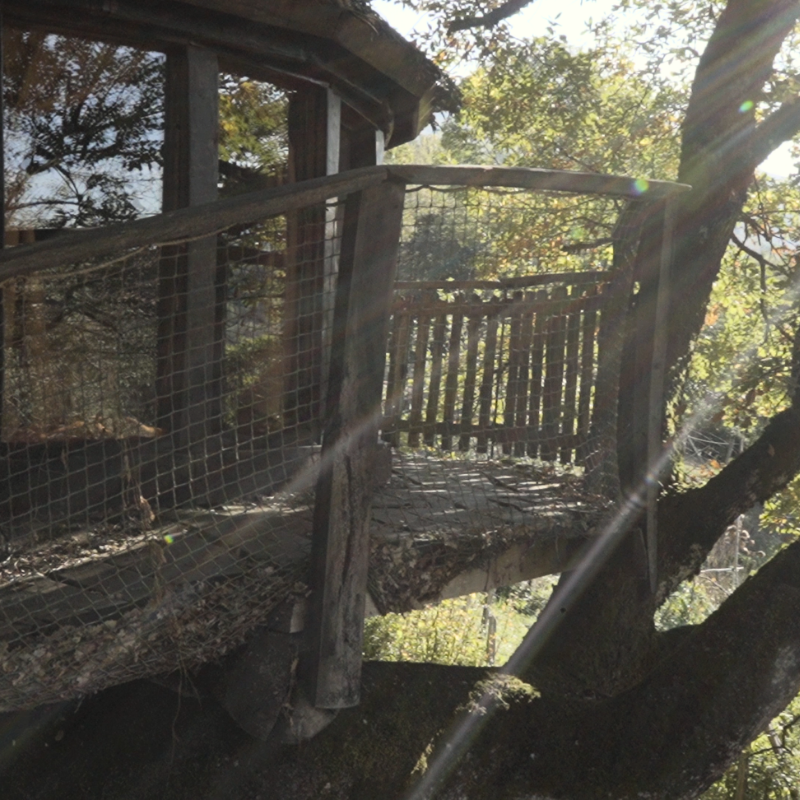
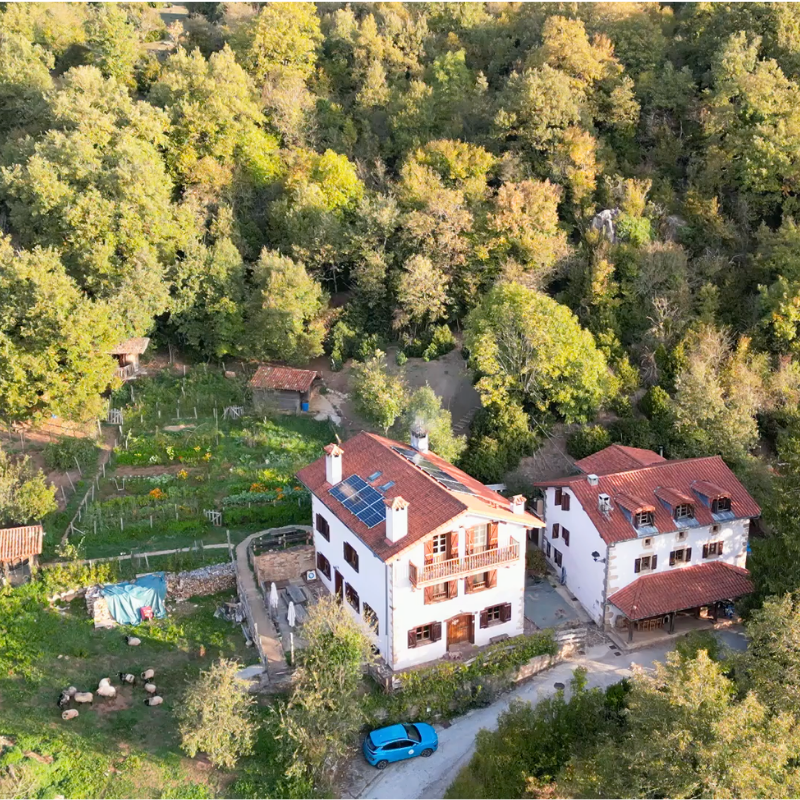
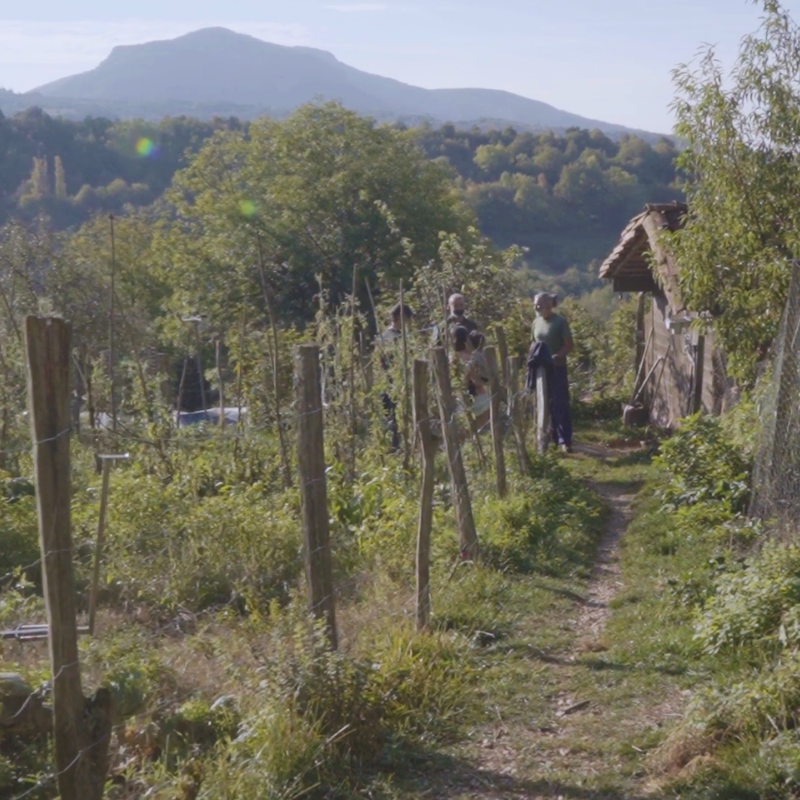
Hidden among the trees, with views over the permaculture garden and the Pyrenees beyond, this oak treehouse comes with the warning of being a gateway habitat:
Irresistible to everyone, very accessible to first-time eco-travellers, but at its very core a demonstration of how regenerative tourism over the course of 20+ years can provide landscapes with the capacity to grow from a single place into a regional matriarch - the mother tree nurturing a whole region.
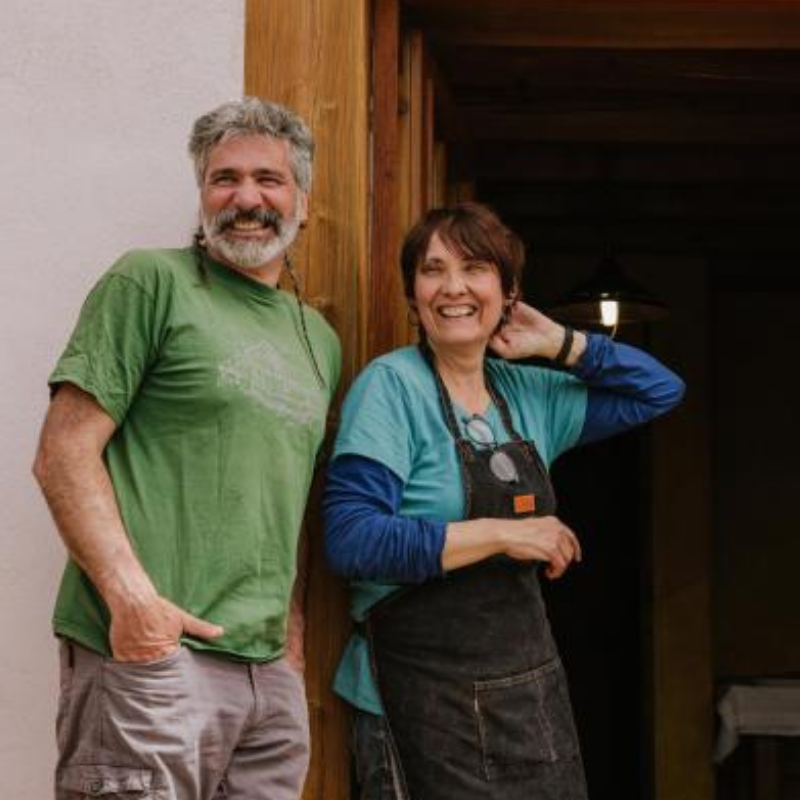
Your hosts are an everyday living practice of daily farm life, orchard-garden production, guest participation, ecological meals, bioregional restoration, culture, heritage, artisanal livelihoods, and the slow reversal of rural outmigration.
That is what you support when choosing this romantic refuge in the trees: a narrative so rich we will not even attempt to cram it all into one listing description. Alright… we’ll reveal a little more in their Nature Profile.
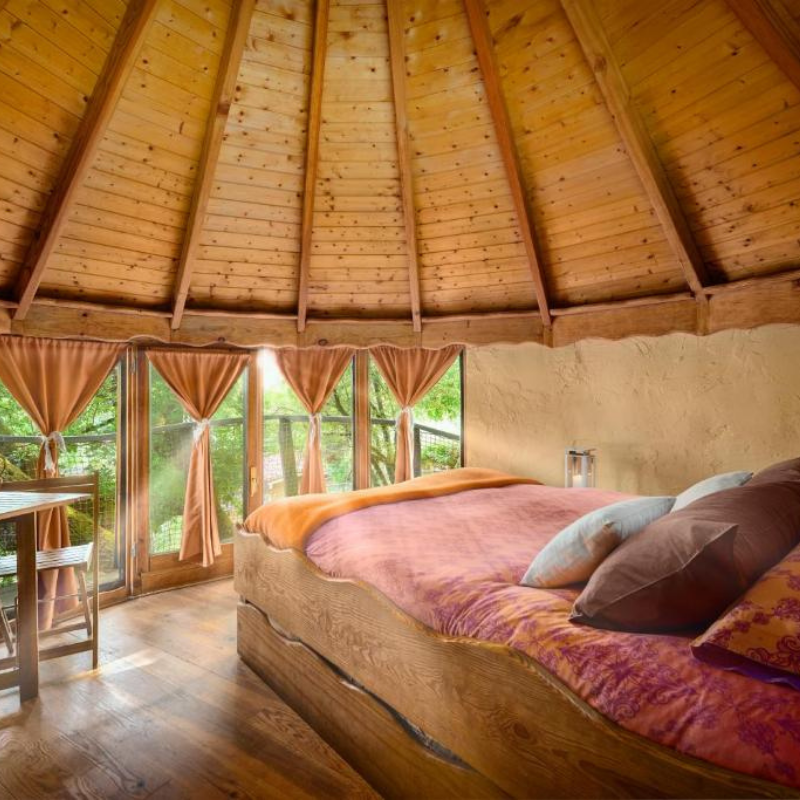
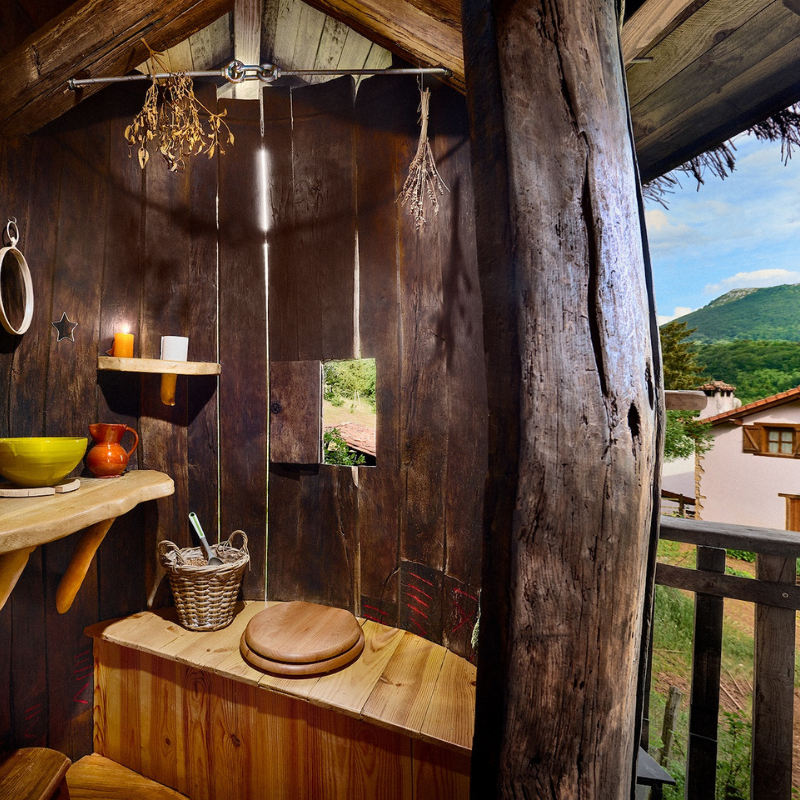
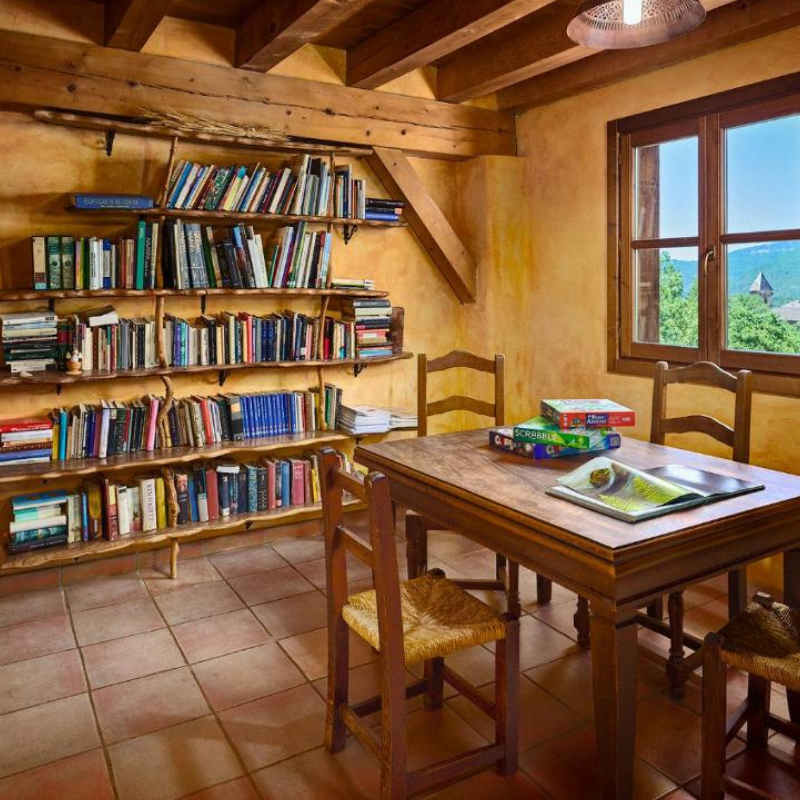
This bio-based building feels personal and warm. The round wooden space holds the sleeping area and a compost toilet, while outside, the terrace invites slow breakfasts, farm immersion, and long views. The nearby houses provide the rest: your own private bathroom with shower, as well as access to the shared kitchen-dining room, library, games room, and common spaces. You can bring your own food, order a breakfast basket to be delivered, or prepare meals in the central kitchen.
Note: while your hosts hold a richness that can only come from 20 years of system-building, Spanish is the only language spoken well on site. Your check-in 101 will work in English, but if you are looking for depth and understanding, a little Spanish is advisable.
This habitat is for:
- those wanting to enjoy the meaning of regenerative tourism
- seekers of unusual stays
- systems builders interested in how a farm can root itself locally, regionally, nationally, and internationally
- eco-conscious travellers wanting immersion in a local socio-ecological ecosystem
- birders and cyclists
- guests who appreciate habitats with a more developed hospitality layer, while still understanding that their hosts are humans first, not conventional hoteliers
Make sure to check out their other traditional rooms on offer too!
2 Adults, 0 Child (Max guests: 2)
Check-in: 06:00 pm
Check-out: 10:00 am
 Drinking water
 Compost toilet
 Hot Shower
 Electricity
 Wi-Fi
Wi-Fi
Farm-to-Table dinner 68,00 €
Fresh produce breakfast 14,00 €/Night
Farm Tour 22,00 €