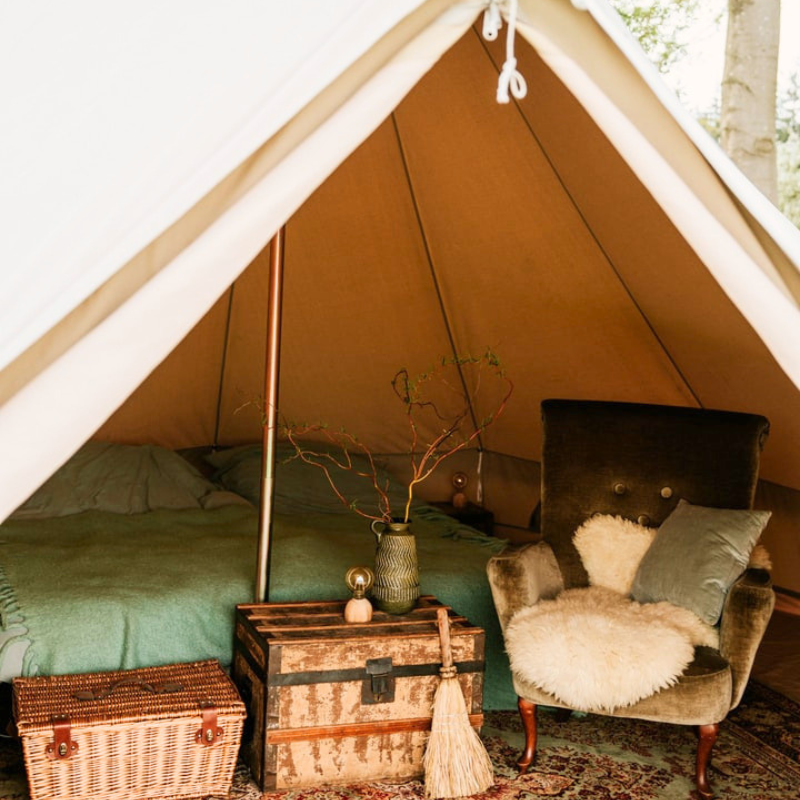
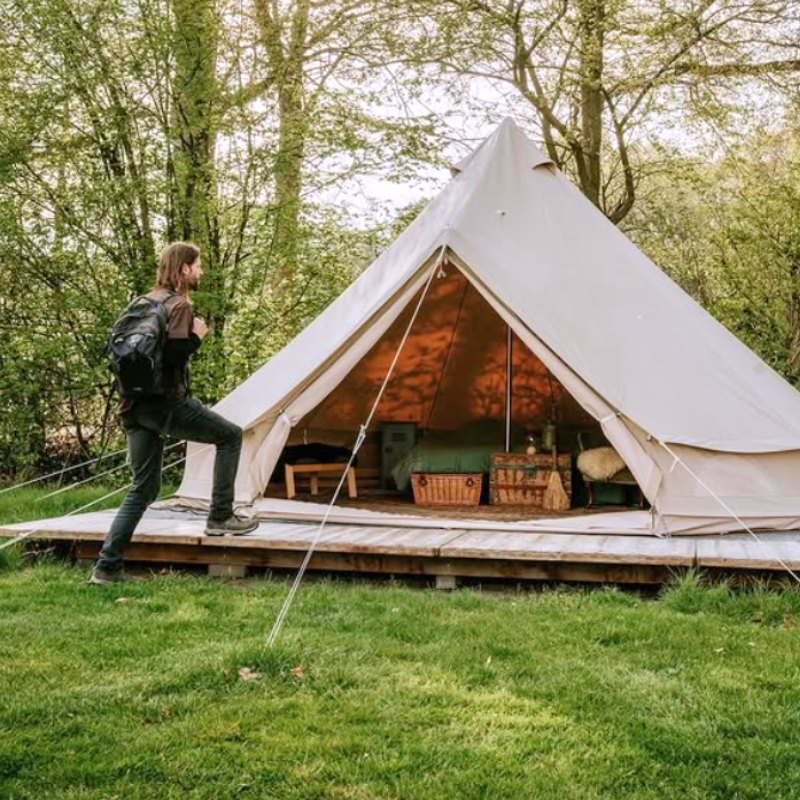
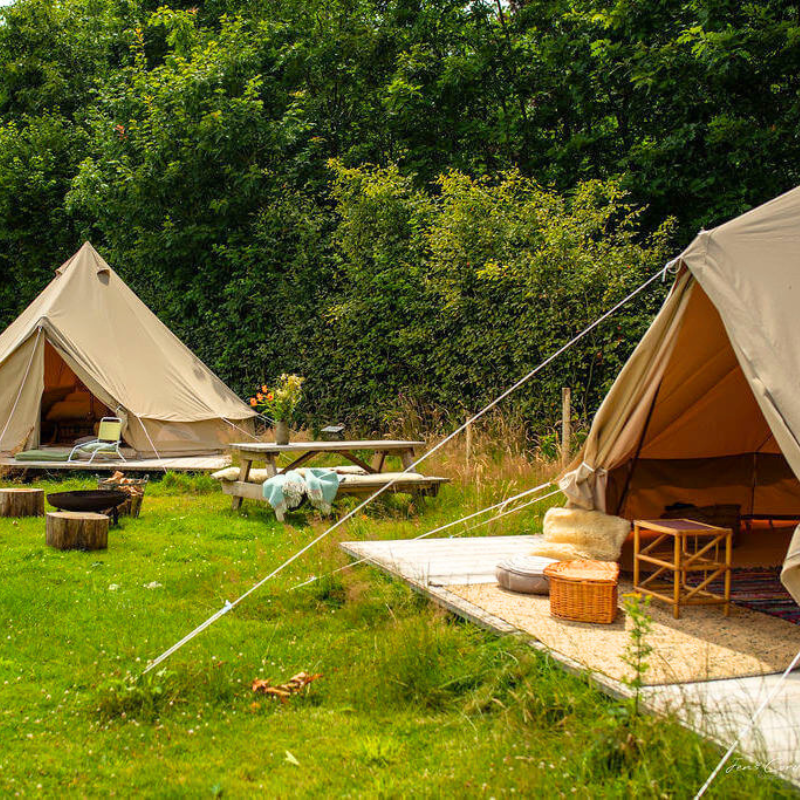
This place lets you arrive on a living canvas: young trees, fresh plantings, market garden beds, grazing animals, food experiments and a team that's building with the discipline of farmers and the imagination of system designers.
While its own roots and branches are barely formed yet, T'gagel is already a lighthouse guiding us into the future
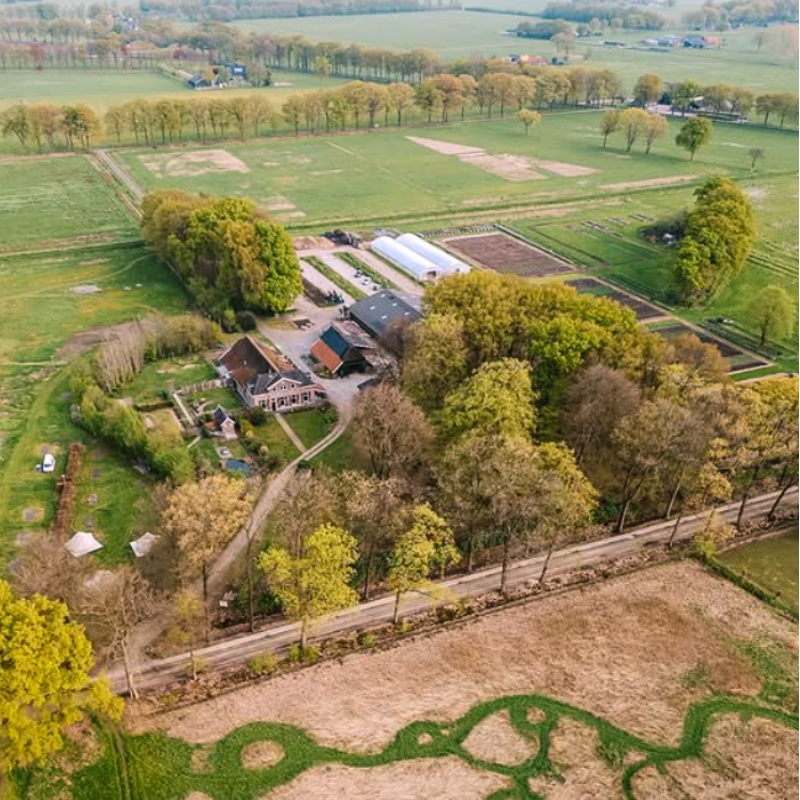
Just three years into rebuilding a historic farm in Lochem, ’t Gagel is becoming a 45-hectare production landscape that is simultaneously part regenerative farm, part campsite, part learning centre and part community-owned experiment demonstrating what comes after extractive agriculture.
Possibly one of the most thought-through and determined landscape restoration initiatives currently unfolding in the Netherlands.
The farm’s own language is beautifully direct: more life.
More roots mean more soil life. More flowering plants mean more insects. More insects mean more birds and natural pest control. More woody structure means shade, wind protection, habitat and water buffering. More local food channels mean stronger farm economies. More people learning here means more regenerative farms elsewhere.
They work with dozens of vegetable crops, hundreds of woody species and varieties, productive trees, support trees, fruit, nuts, berries, herbs, animals, fungi, soil organisms, insects, birds and human communities and celebrate the connections between them.
Across the farm you’ll find interventions such as:
- no-dig vegetable production
- regenerative arable fields
- agroforestry and orchard planting
- berry rows, fruit trees and nut trees
- tree nursery work, including air-prune boxes
- holistically managed grazing animals
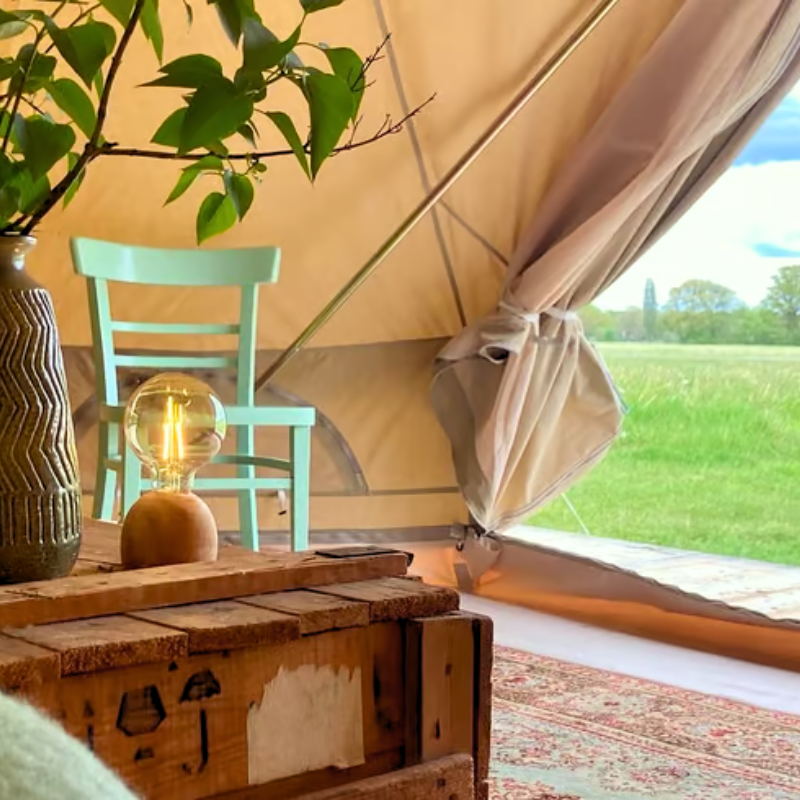
- food-forest development around the camping area
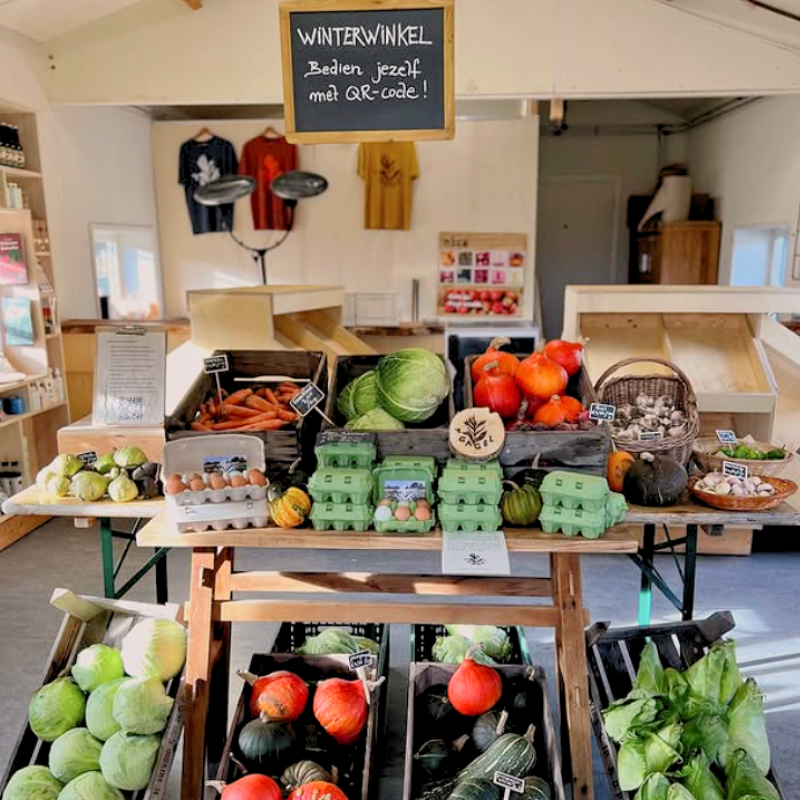
- farm shop, local food sales and community-supported food systems
Through courses, farm tours, workshops, residencies, coaching and consultancy, they additionally educate people who may go on to start or strengthen regenerative initiatives elsewhere. Their in-depth programmes combine ecology, enterprise, farm design, holistic management, communication, logistics, finance and food culture into one integrated approach.
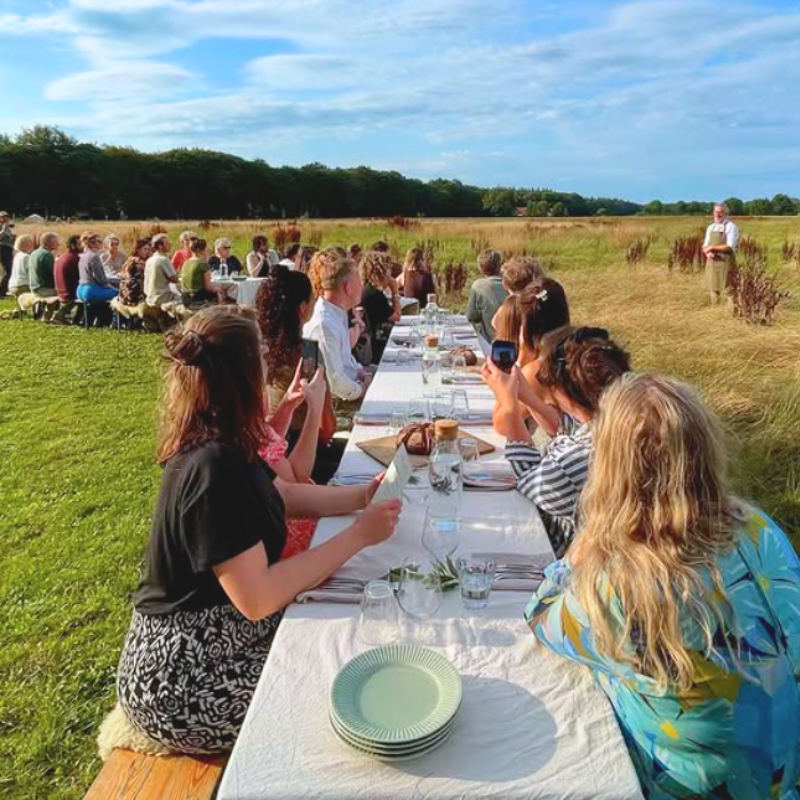
Hospitality and culture are woven just as deeply into life at ’t Gagel. Seasonal, local and place-based, the farm regularly opens itself through shared meals, open days, field dinners, regenerative cooking retreats, seasonal gatherings and collaborative events that bring together farmers, chefs, artists, neighbours, guests and future growers around the same landscape. Food from the land becomes a social connector: cooked, shared and celebrated collectively as enjoyable stepping stones into the future.
Overarching the project is the Lenteland movement: a model of community ownership that allows people to become co-owners and help bring agricultural land into long-term regenerative purpose.
’t Gagel is not only restoring a farm. It is helping prototype what a regenerative sector could look like.