Searched results for

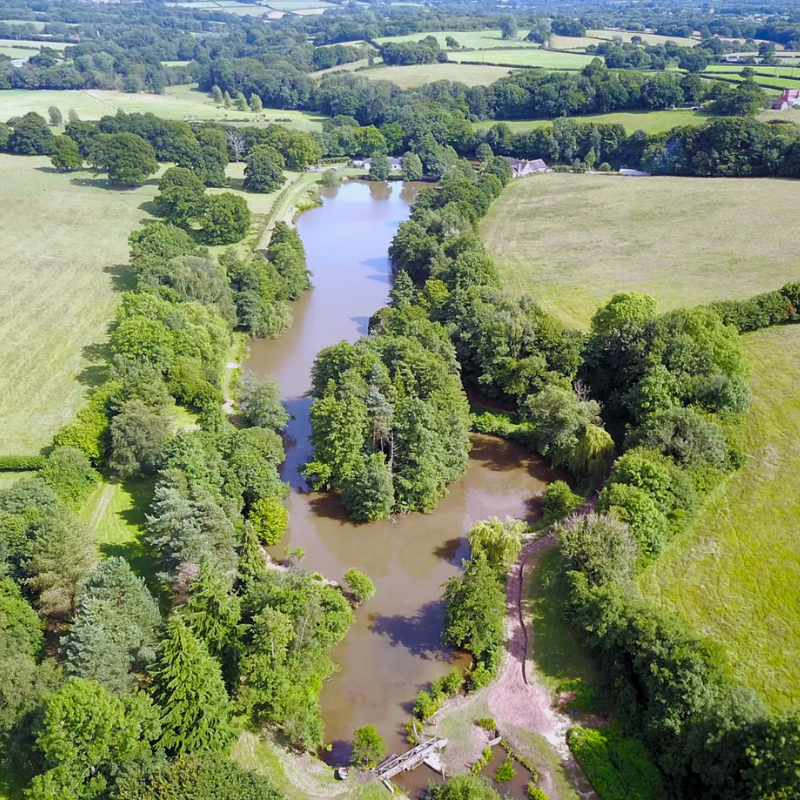
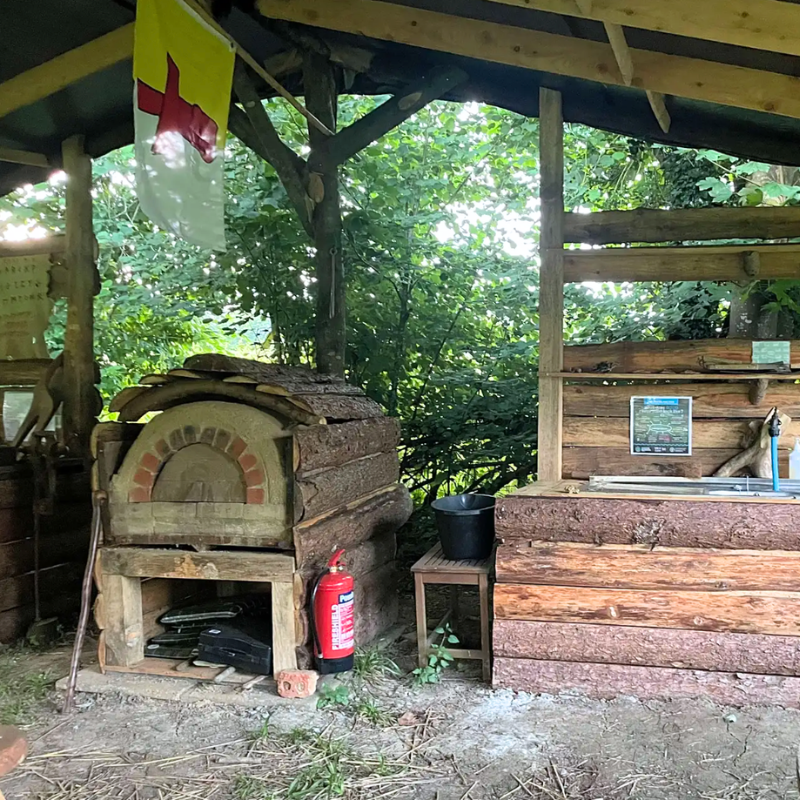
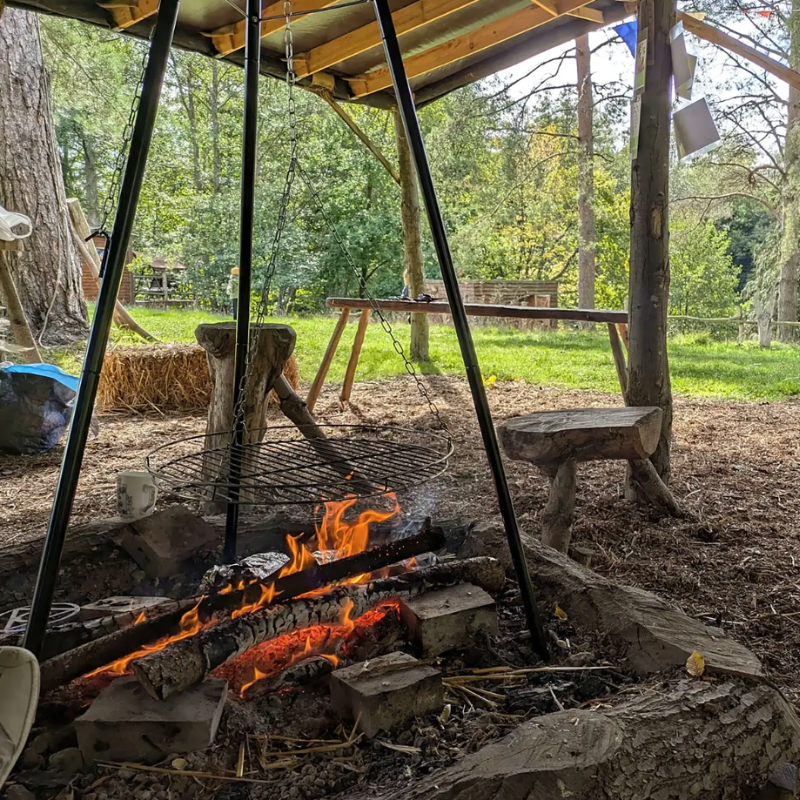
This place truly deserves the title Living Lab for nature: a hub for wildlife, regenerative farming, nature-based enterprise and community-led restoration. The Nature Profile tells the deeper story of how Furnace Brook restores water, soil, habitat and community through a layered, hands-on approach.
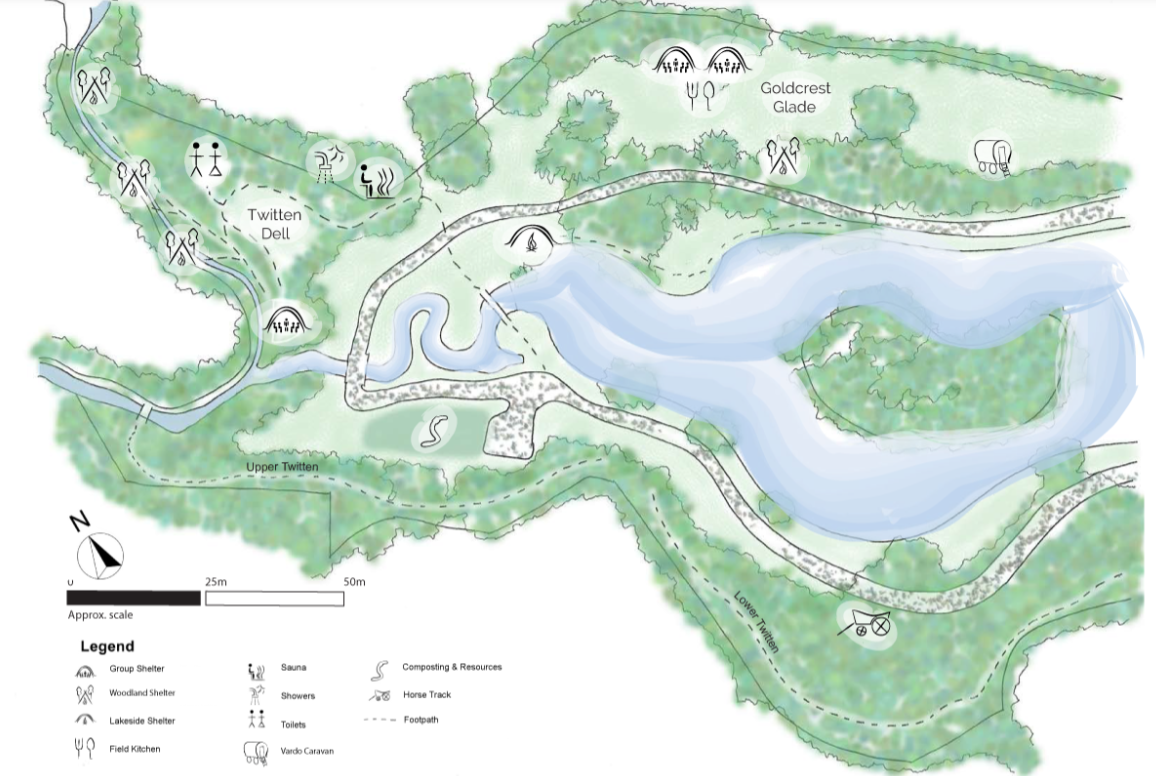
The landscape offers camping under trees, rustic cabins, a lakeside lodge, and combined group and retreat areas.
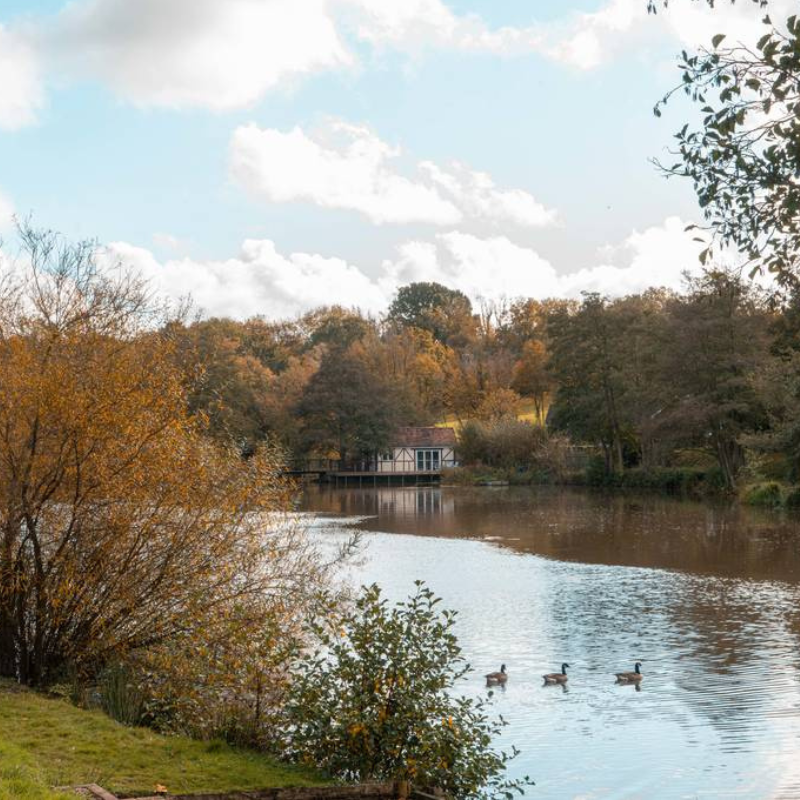
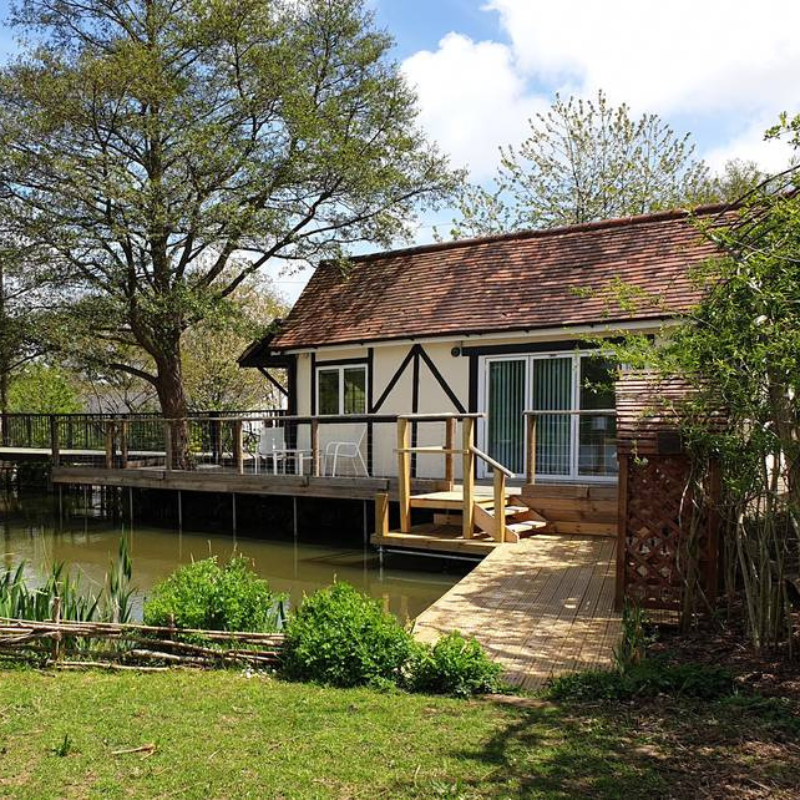
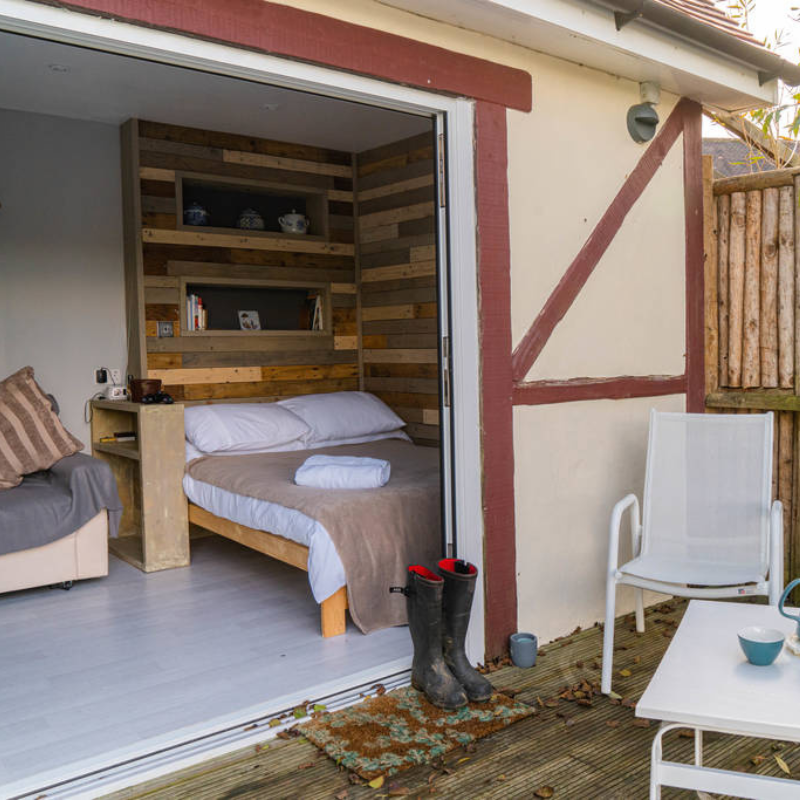
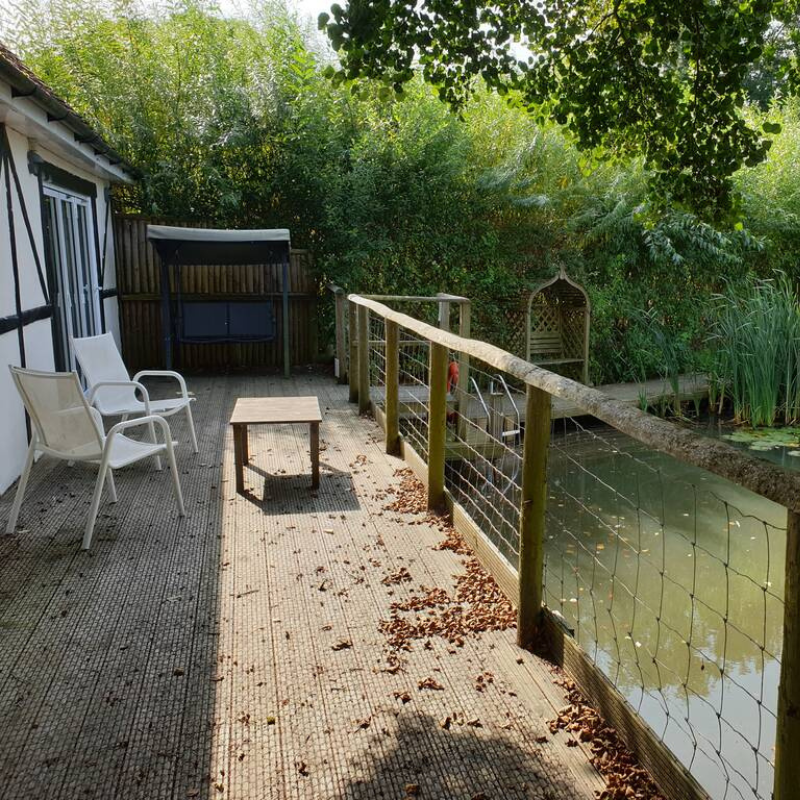
The Lakeside Lodge is the most fully equipped, self-contained cabin, with sliding doors opening onto a private deck. It brings the comforts of inside living while keeping you closely immersed in the land and its water.
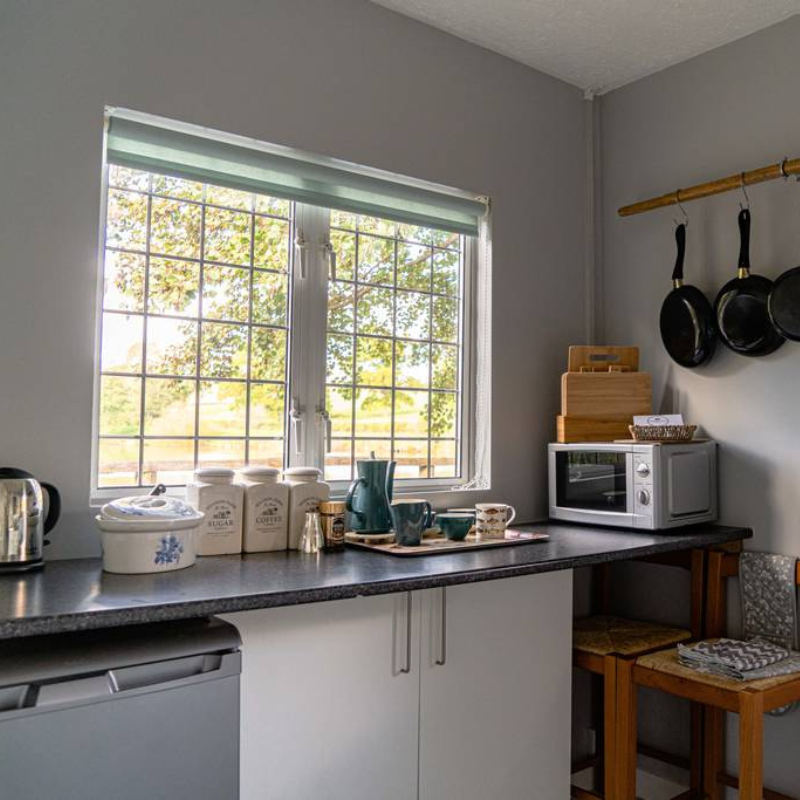
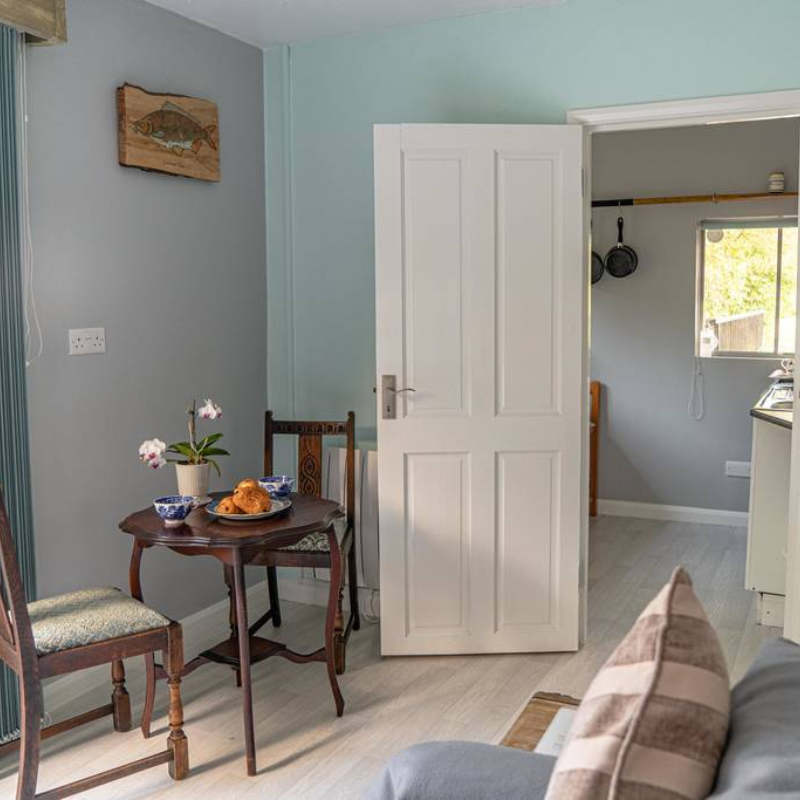
Inside, there is an open-plan kitchen and lounge, en-suite bathroom with flushing toilet and a hot shower, heating, electricity, WiFi, bedding and towels. It is equipped with everything needed to fully come to rest in close connection with the landscape.
Begin the day slowly from bed or from the deck and watch the kingfishers, geese, herons, cormorants, bats and dragonflies move across the water.
From here, you can explore a patchwork of landscapes shaped by wildlife, regenerative farming, community learning and nature-based enterprise.
2 Adults, 0 Child (Max guests: 2)
Check-in: 03:00 pm
Check-out: 11:00 am
 Flush Toilet
 Hot Shower
 Electricity
 Wi-Fi
Wi-Fi
 Bed linens provided
Accommodation offers
- Kitchen
- Fridge
- Freezer
- Cookware
- Tableware
Outdoor living
- Private garden space
Immersive Habitats
- On-site restoration activities
- Wildlife
Pets
- Pets not allowed
Parking
- Free parking on site
Furnace Brook is a living restoration landscape in East Sussex, associated with the wider movement around the UN Decade on Ecosystem Restoration and connected to networks such as the Global Rewilding Alliance, Ecosystem Restoration communities, and the Permaculture Association. It is the kind of place where restoration is not treated as a single conservation project, but as a whole-system practice: ecological, social, cultural and economic at once.
Across 80 acres of ancient woodland edges, ghyll valleys, historic water systems, meadows, farmland and lake, Furnace Brook is being cultivated as a Community Interest Company and a genuine Living Lab for nature. The work of Alistair and the wider team feels unusually practiced and layered: grounded in land care, but also in modelling, partnerships, resilience planning, research, education, enterprise and community wellbeing.
At landscape level, the practices include rewilding corridors, agroforestry, perennial crops, pasture-raised livestock, minimal-tillage vegetables, edible forest gardens, mushroom cultivation, aquatic plant recovery, beekeeping and native tree nurseries. Together, these show a commitment to ecological integrity beyond the boundaries of a single field or feature.
The site also functions as a working landscape where science, craft, nature and community meet. Visitors, schools, researchers, volunteers and micro-enterprises can engage with ecological restoration training, citizen science, regenerative agriculture research, forest school, renewable energy demonstrations, craft and heritage skills, wellbeing experiences, courses, workshops and community food growing.
That social layer is not separate from the ecological work. Furnace Brook works with local farms and schools to help children understand where food comes from, supports local residents to grow produce, and is developing a Community Gardens Network for older adults, isolated individuals, young people and people navigating mental-health challenges. In that sense, the Living Lab is not only about studying nature. It is about rebuilding relationships between people, place, food, water, soil and community.
The work became especially urgent after a major upstream pollution event in 2024 damaged the lake, stream and wider aquatic ecology. The incident caused collapse across aquatic invertebrates, eel populations, freshwater mussels, fish, aquatic plants, bankside vegetation, oxygen levels and downstream ecology.
Since then, much of Furnace Brook’s central restoration effort has focused on rebuilding water quality and aquatic life. This includes installing plant-based filtration and wetland systems, monitoring pH, turbidity and oxygen, restoring marginal vegetation, creating shaded refuges, improving riparian structure with woody debris and living edges, and supporting the return of amphibians, insects, aquatic plants and eel habitat.
Furnace Brook frames this as a replicable model for small rural sites: restoring damaged ecosystems, growing local regenerative enterprises, building healthy soils, storing carbon, enhancing biodiversity and creating meaningful relationships between people and land. Every stay here contributes to that wider pattern: a landscape slowly restoring itself, while helping people remember how to belong to one.